
My Wish For Better Care For Americans Living in Rural Areas
A letter to Medicaid Directors, State Leaders, and other invested collaborators who were awarded Rural Health Transformation (RHT) Grant funding.
A letter to Medicaid Directors, State Leaders, and other invested collaborators who were awarded Rural Health Transformation (RHT) Grant funding.

Healthcare cybersecurity is no longer just about protecting electronic health records. It is increasingly about protecting the research, algorithms, clinical data, and intellectual property that drive the next generation of medicine.


We have the opportunity to design systems that give people greater capacity for the work where human presence matters most: listening, understanding, reassuring, deciding, and caring.

EHRs not only document care but can also act as a financial engine to bridge the gap between patient care and prompt reimbursement. Here's how to bring the two sides together to alleviate tedious administrative burdens.

Now is the time to solve the industry’s identity crisis, and it can only be done through a combination of phishing-resistant and adaptive MFA, fine-grained access control, and standards-based interoperability.

By strengthening the connection between dentists and physicians, we can enable real-time care coordination, ensure patients get follow-up when needed and help teams spot risk factors earlier.

A combined bottom-up facility-level approach to integrated data and a top-down national-level effort for connected networks is needed to eliminate data silos and deliver frictionless care.

Healthcare decision-makers, especially at pharmaceutical companies, must prioritize patient input. Data collected from social media listening is a significant step in the right direction.
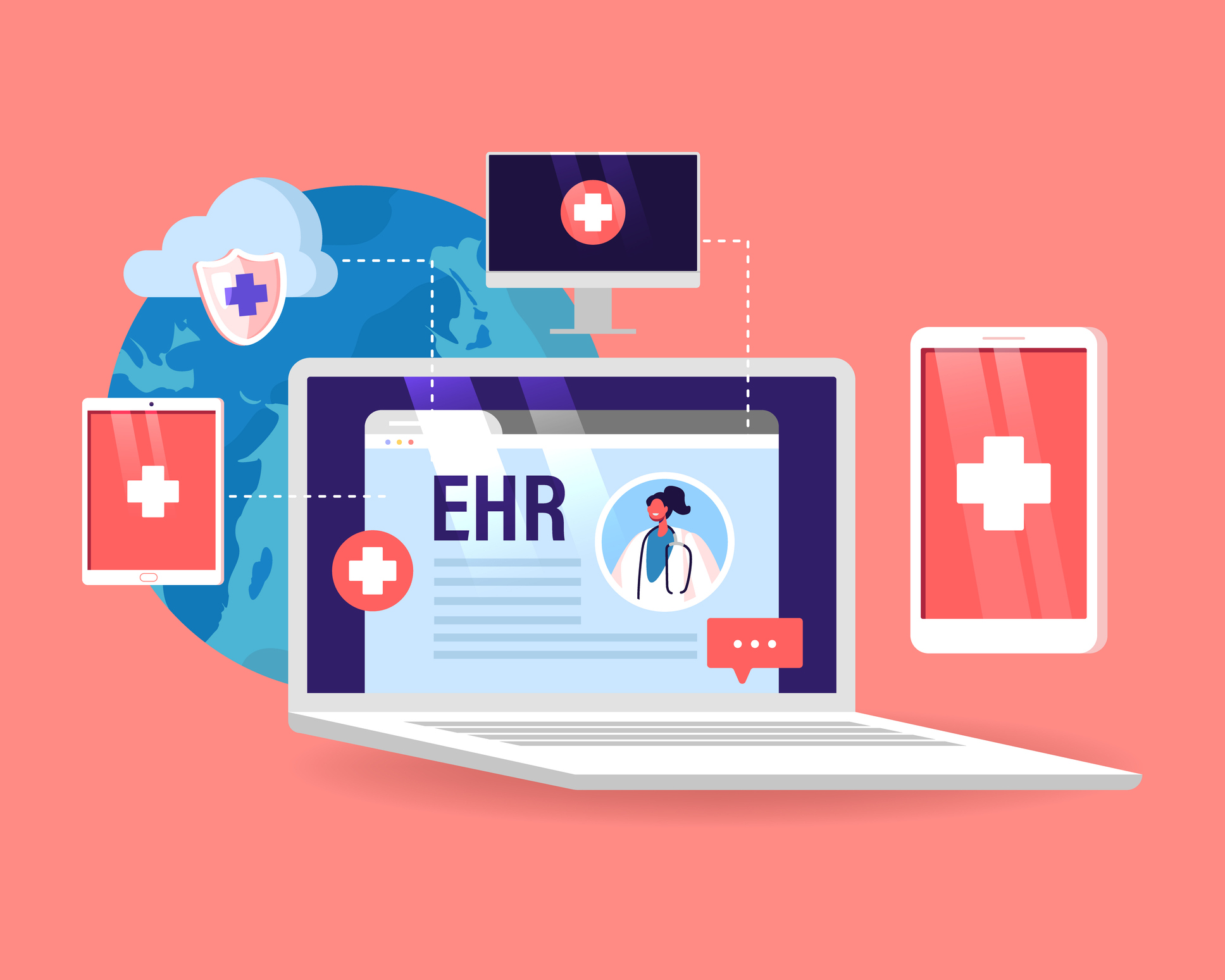
Making EHRs work with and not against clinicians is possible. When EHRs take a human-centered design approach, collaborating closely with clinicians to optimize workflows, the EHR can stop being the focus of clinicians’ days, and instead support them as they provide care to patients

Instead of EHR companies trying to build solutions in-house, collaborating with a patient engagement technology provider is the simplest and most cost-effective way for them to deliver the communication link demanded by today’s healthcare consumer.
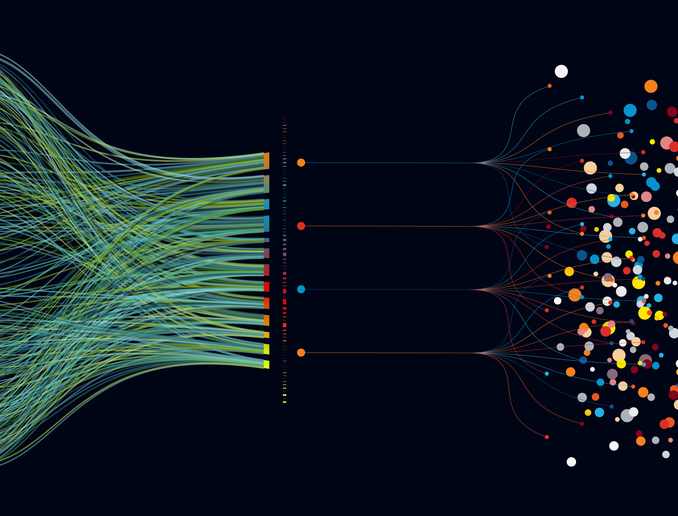
Full EHR interoperability and data standardization remain the holy grail: mysterious and elusive. So hospitals are employing different strategies to access a patient's complete medical history.

One reason clinicians struggle to find what they need in EHRs is because most legacy systems were not designed to provide a diagnostically holistic view for specific clinical conditions.


In an interview, Kyan Health Co-Founder and Chief Commercial Officer Konstantin Struck discussed how Kyan gives mid-market and enterprise employers access to premium workforce mental healthcare, at a price point that is affordable.

Though the Covid-19 pandemic accelerated some aspects of health IT, it slowed others, including EHR replacements and back-office system upgrades. CIOs from some of the nation's leading health systems shared not only the projects they put on hold, but also how they made those decisions and the challenges they faced when trying to reignite their efforts.

The startup, which won a Pitch Perfect contest at MedCity INVEST Digital Health, offers a solution that integrates with EHRs to predict wait times in doctors' offices and texts patients in real time to let them know what to expect. This virtual waiting room can help increase efficiency and improve patient experience.
Though the total number of unique apps that integrate with major EHRs, like Epic and Cerner, increased from 600 at the end of 2019 to 734 in December 2020, growth in the number of apps that support the FHIR data exchange standard was stagnant.
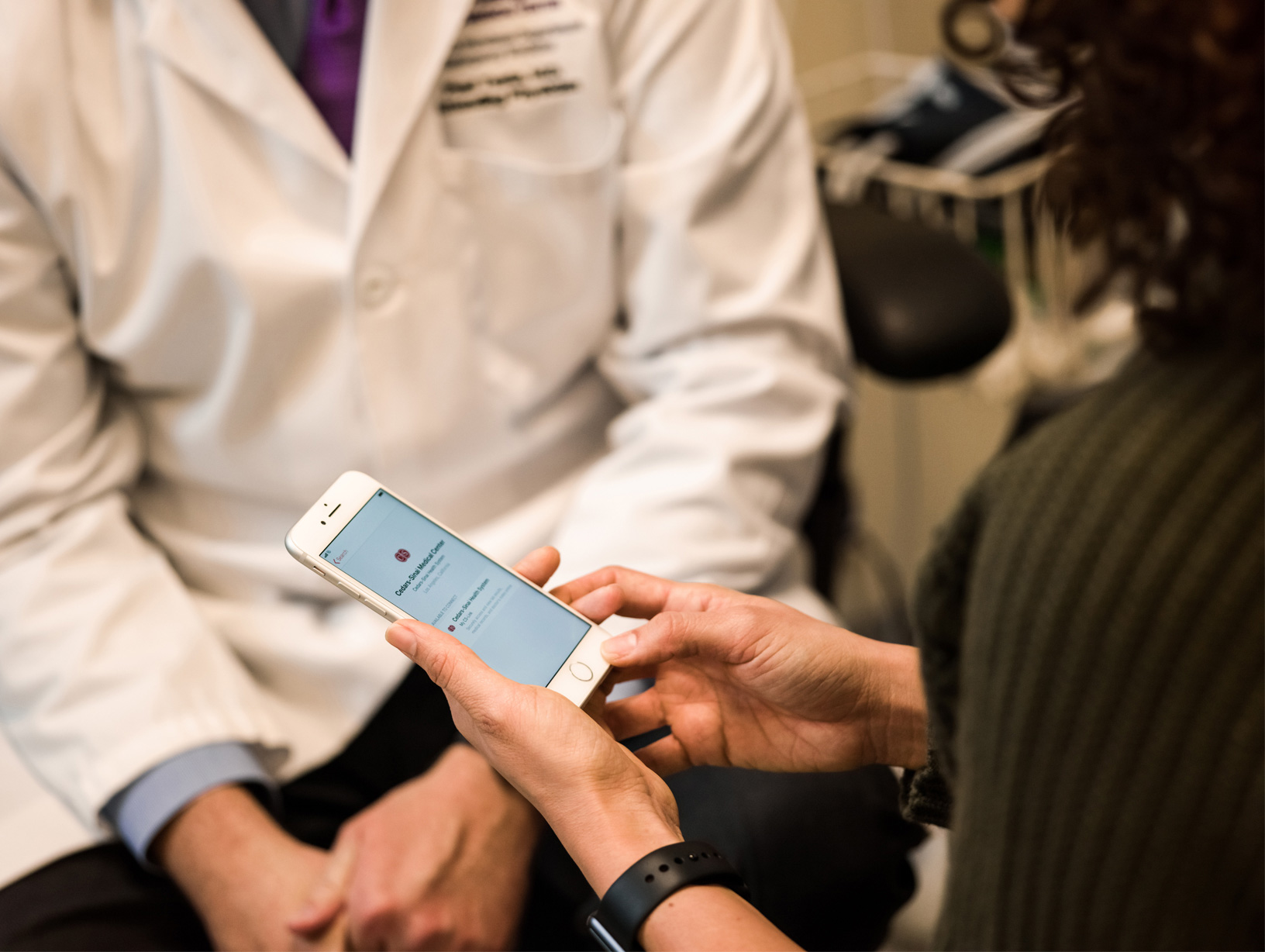
Apple has integrated with 700 providers for its health records app. But it faces a similar challenge to other health records projects that have failed in the past: patient uptake.

As a result of the partnership, clinicians using Epic will be able to order Foundation Medicine's genomic profiling tests directly from the EHR and view results in the system, providing them with clinical decision support.